Why Children Are Getting Sicker (Part IV): The Bodies of the Future Are Crying Out

There is a quiet crisis unfolding inside the bodies of children. A rise in illness that is happening faster than any generation before them — not slowly, but rapidly; not subtly, but visibly. Children are getting sicker, and their bodies are telling the truth long before adulthood arrives. This is Part IV: the story of childhood in a world their biology was never designed for.
Children Are Not Small Adults
Children’s bodies are electric, delicate, and rapidly developing. They absorb more, react faster, and are shaped more deeply by environmental exposure than adults (Kheifets et al., 2010). Their skulls are thinner, their brains contain more water, their endocrine systems are still forming, and their antioxidant defenses are immature (Kıvrak et al., 2017). Children heal quickly — but they are harmed more easily. Their biology is not built for the modern load.
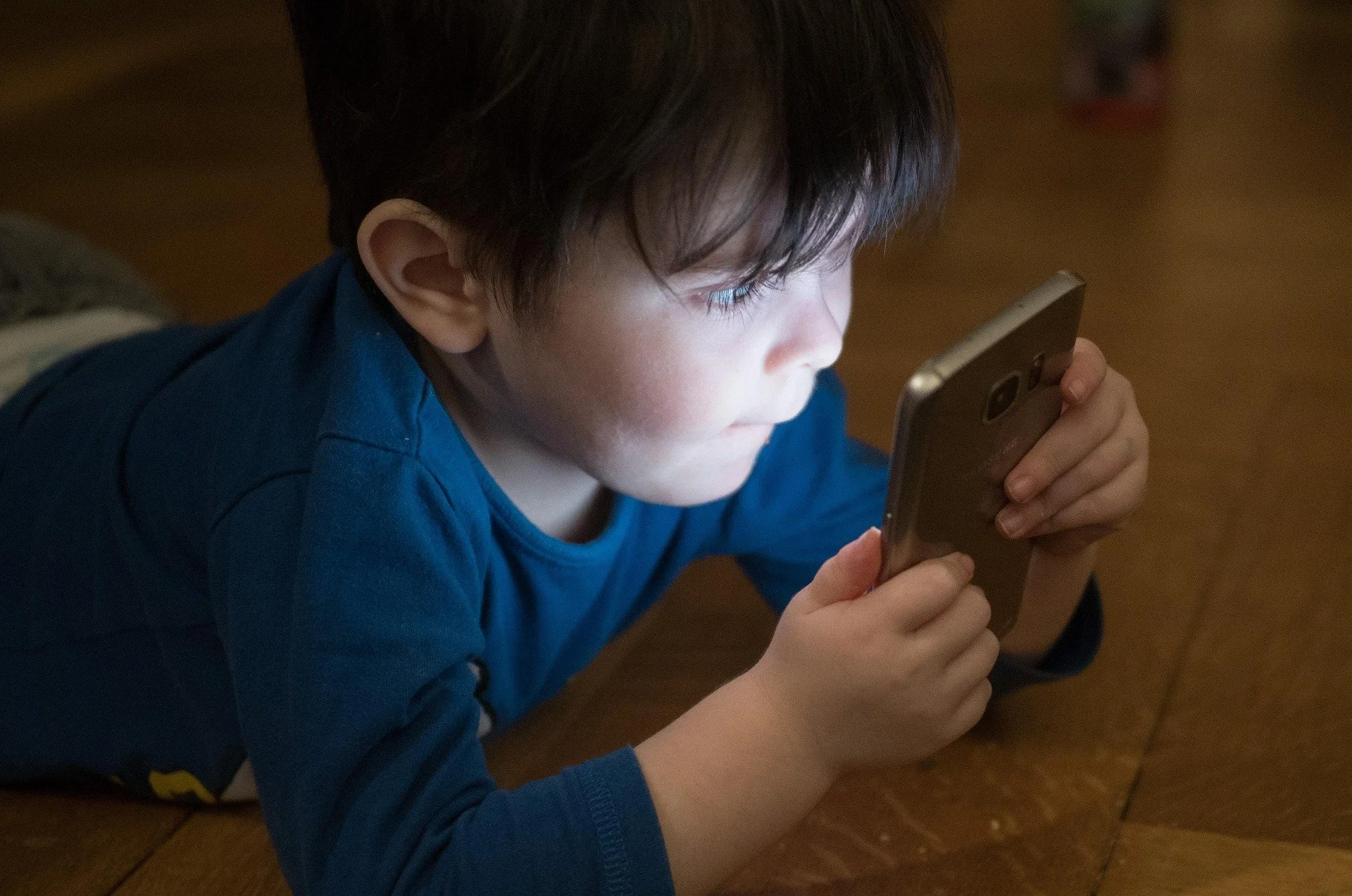
The Digital Childhood: EMF and the Developing Brain
1. EMF penetrates deeper into children’s brains
Because children’s skulls are thinner and their tissues contain more water, radiofrequency radiation penetrates deeper into the developing brain (Kheifets et al., 2010; Sienkiewicz et al., 2019).
2. EMF exposure is associated with attention problems
Studies show correlations between EMF exposure and ADHD‑like symptoms, impulsivity, behavioral dysregulation, and reduced sustained attention (van der Meer et al., 2023; Hu et al., 2021).
3. EMF disrupts sleep
Nighttime EMF exposure is associated with reduced melatonin, increased awakenings, and altered circadian rhythms (Current Opinion in Environmental Science & Health, 2023).
4. EMF increases oxidative stress
Children’s immature antioxidant systems make them more vulnerable to EMF‑induced oxidative stress, which affects brain development, endocrine signaling, metabolic health, and immune function (Kıvrak et al., 2017; Hu et al., 2021).
Their bodies are not built for constant digital electricity.
The Rise of Childhood Cancer
Childhood cancer rates have risen over recent decades, especially brain tumors, leukemia, and lymphoma. No single factor explains this rise, but research points to environmental load: oxidative stress, endocrine disruption, chemical exposure, air pollution, chronic inflammation, disrupted sleep, reduced outdoor time, and digital overstimulation (Morales Suárez Varela et al., 2023; Seomun et al., 2021).
EMF is being studied as a potential contributor because children absorb more radiation, their brains are still developing, their immune systems are immature, and their rapidly dividing cells are more vulnerable to DNA damage (Kheifets et al., 2010; Biochemistry and Biophysics Reports, 2026).
We cannot say EMF causes cancer — but children are more vulnerable to environmental stressors that affect DNA integrity, oxidative balance, and immune resilience.
Obesity: A Metabolic Warning Signal
Childhood obesity is rising faster than ever. Research links obesity to endocrine disruption, sleep fragmentation, chronic stress, mitochondrial dysfunction, circadian rhythm disruption, reduced physical activity, dopamine overstimulation from screens, environmental toxins, and EMF‑related oxidative stress (Jayaraju et al., 2023; Kıvrak et al., 2017).
Children’s bodies are gaining weight because their biology is overwhelmed.
Cognitive and Emotional Dysregulation
Children today show more anxiety, irritability, sensory overload, emotional volatility, and difficulty self‑regulating. These patterns are tied to neurotransmitter shifts, sleep disruption, dopamine overstimulation, reduced outdoor time, reduced movement, constant digital stimulation, and environmental load (Hu et al., 2021; Current Opinion in Environmental Science & Health, 2023).
Their nervous systems are living in a state of “always on.”
Eye Problems: The Digital Epidemic
Myopia is now considered a global childhood epidemic. Digital eye strain, reduced blinking, dry eyes, accelerated nearsightedness, difficulty focusing, and headaches are all linked to prolonged screen exposure during critical periods of eye development (Current Opinion in Environmental Science & Health, 2023).
Screens change how the eye develops — and children’s eyes are still forming.
The Logical Truth
If environmental load — including EMF — affects neurotransmitters (Hu et al., 2021), sleep and melatonin (Current Opinion in Environmental Science & Health, 2023), oxidative stress (Kıvrak et al., 2017), glucose metabolism (Jayaraju et al., 2023), attention (van der Meer et al., 2023), circadian rhythms, eye development, immune function, and DNA integrity (Biochemistry and Biophysics Reports, 2026), then it is logical — not dramatic — to consider these exposures contributors to why children are getting sicker.
Not the only cause. Not the main cause. But a real cause.
What Parents Can Do (Non‑medical, practical)
This is not about fear — it’s about awareness.
Reduce nighttime screens, keep devices off laps, avoid phones in bedrooms, turn WiFi off at night, encourage outdoor time, support sleep hygiene, reduce cumulative digital load, increase antioxidants, create tech‑free zones, and prioritize movement and sunlight.
Small shifts → big changes in children’s biology.
Closing
Children are getting sicker. Their bodies are signaling overwhelm long before adulthood arrives. Environmental load — including electromagnetic exposure — is one piece of the modern puzzle that deserves attention, not dismissal.
This is not fear. This is remembering. This is reclaiming the right to understand what shapes the bodies of the future.
This is Part IV. And parents are ready for the conversation.
References
Hu, C., Zuo, H., & Li, Y. (2021). Effects of radiofrequency electromagnetic radiation on neurotransmitters in the brain. Frontiers in Public Health, 9, 691880. https://doi.org/10.3389/fpubh.2021.691880Jayaraju, N., Kumar, M. P., Sreenivasulu, G., Prasad, T. L., Lakshmanna, B., Nagalaksmi, K., & Madakka, M. (2023). Mobile phone and base stations radiation and its effects on human health and environment: A review. Sustainable Technology and Entrepreneurship, 2(2), 100031. https://doi.org/10.1016/j.stae.2022.100031Kıvrak, E. G., Yurt, K. K., Kaplan, A. A., Alkan, I., & Altun, G. (2017). Effects of electromagnetic fields exposure on the antioxidant defense system. Journal of Microscopy and Ultrastructure, 5(4), 167–176. https://doi.org/10.1016/j.jmau.2017.07.003van der Meer, J. N., Eisma, Y. B., Meester, R., et al. (2023). Effects of mobile phone electromagnetic fields on brain waves in healthy volunteers. Scientific Reports, 13, 21758. https://doi.org/10.1038/s41598-023-48561-zKheifets, L., Repacholi, M., Saunders, R., & van Deventer, E. (2010). The sensitivity of children to electromagnetic fields. Pediatric Research, 68(2), 157–165. https://doi.org/10.1203/PDR.0b013e3181eeece1 (doi.org in Bing)Morales‑Suárez‑Varela, M., Llopis‑Morales, A., Doccioli, C., & Donzelli, G. (2023). Relationship between parental exposure to radiofrequency electromagnetic fields and primarily hematopoietic neoplasms and central nervous system tumors in children: A systematic review. Reviews on Environmental Health, 38(3), 327–343. https://doi.org/10.1515/reveh-2022-0248Seomun, G., Lee, J., & Park, J. (2021). Exposure to extremely low‑frequency magnetic fields and childhood cancer: A systematic review and meta‑analysis. PLOS ONE, 16(5), e0251628. https://doi.org/10.1371/journal.pone.0251628 (doi.org in Bing)Sienkiewicz, Z., van Rongen, E., & Saunders, R. (2019). Children’s exposure to radiofrequency electromagnetic fields. Reviews on Environmental Health, 34(3), 273–286.Current Opinion in Environmental Science & Health. (2023). Exposures to radio‑frequency electromagnetic fields and their impacts on children’s health: What the science knows. Current Opinion in Environmental Science & Health, 32, 100456. https://doi.org/10.1016/j.coesh.2023.100456 (doi.org in Bing)Biochemistry and Biophysics Reports. (2026). Non‑ionizing radiation and cancer: Current evidence, mechanistic insights, and public health implications. Biochemistry and Biophysics Reports, 47, 102705. https://doi.org/10.1016/j.bbrep.2026.102705