
Freud’s Dreamwork Landscape: His Method, His Vision, and Why He Abandoned It
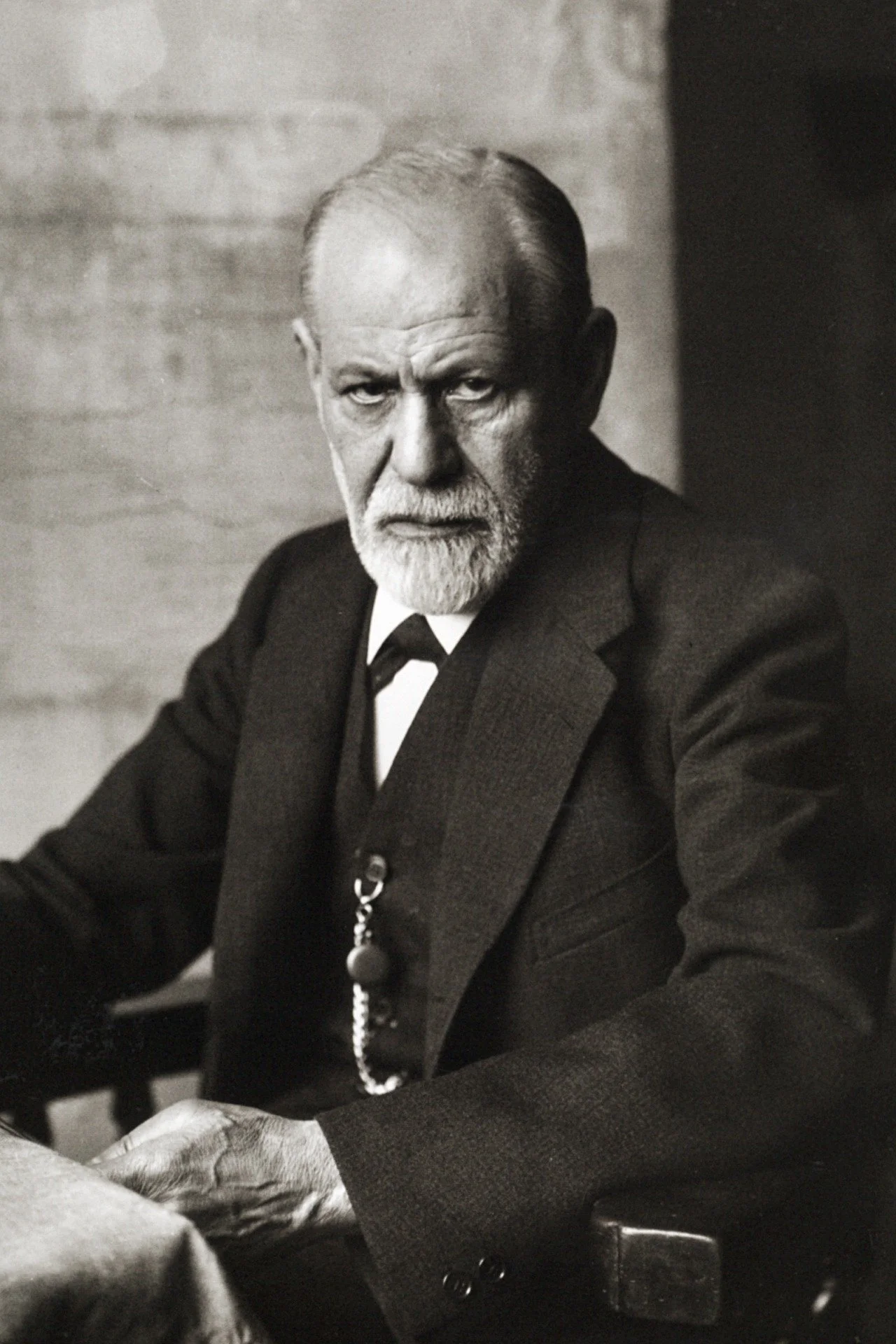
Freud’s dreamwork remains one of the most influential early frameworks for understanding dreams. In The Interpretation of Dreams (1900), Freud proposed that dreams were disguised wish‑fulfillments shaped by unconscious processes. He believed dreams were constructed through mechanisms such as condensation, displacement, symbolization, and secondary revision, forming a symbolic landscape that revealed hidden desires and unresolved conflicts. Yet despite building an entire clinical method around dreamwork, Freud gradually abandoned it. This blog explores Freud’s original dreamwork model, why he believed dreams mattered, and the surprising reasons he stopped using the method he created.