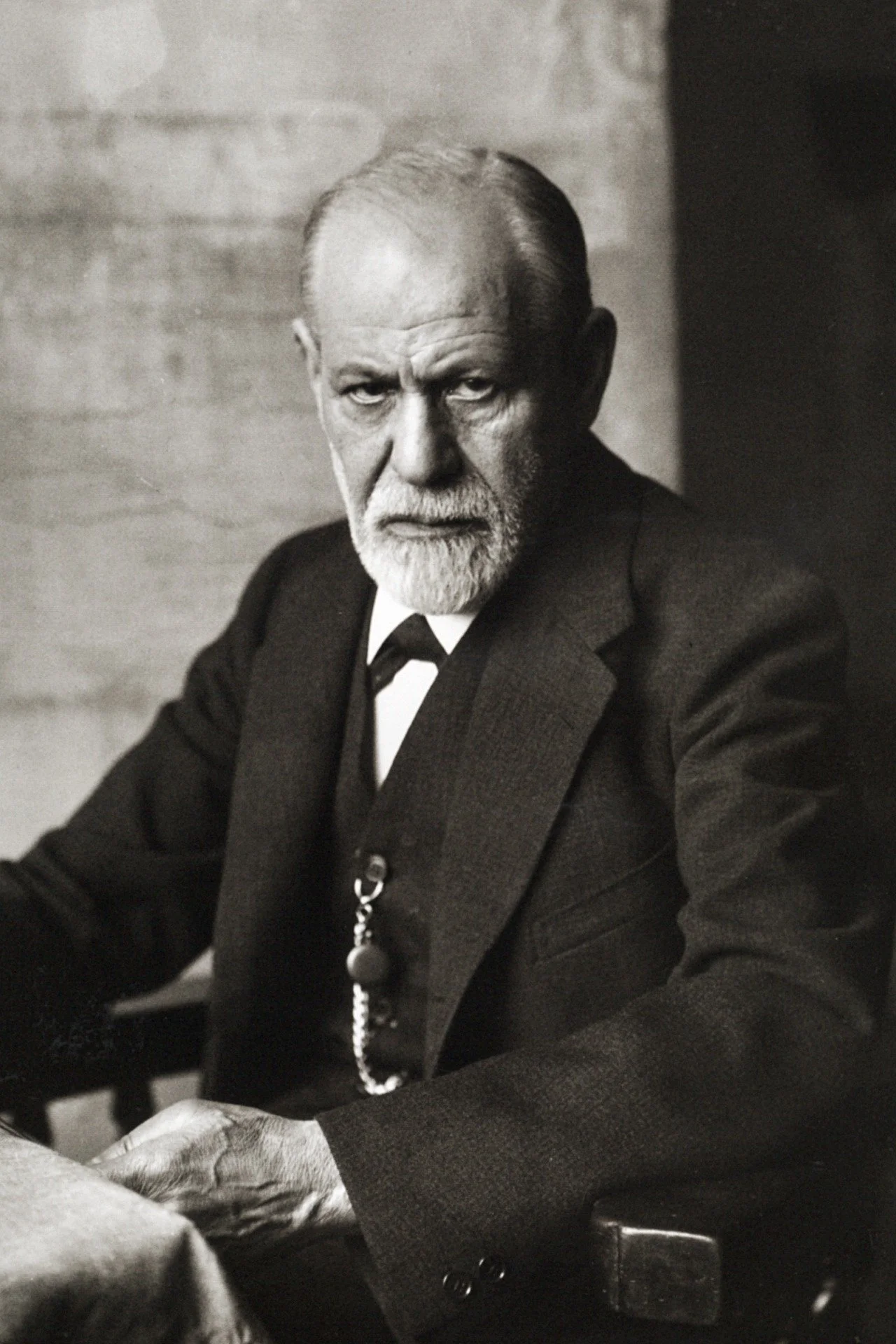
Freud’s dreamwork is one of the most visually rich, symbolically dense, and psychologically ambitious landscapes ever proposed in early psychology. It sits at the intersection of symbolism, memory, desire, and the unconscious — a terrain Freud believed could reveal the deepest truths about the human psyche.
But what’s most fascinating is this:
Freud built an entire method around dreamwork… and then quietly stopped using it.
This blog explores:
what Freud’s dreamwork actually was
how he believed dreams operated
why he abandoned the method
what modern scholars say about this shift
Freud’s Dreamwork: The Original Landscape
Freud introduced dreamwork in The Interpretation of Dreams (1900), describing dreams as disguised wish‑fulfillments created by the unconscious. He believed dreams were constructed through specific psychological mechanisms — what he called the “dreamwork.”
The dreamwork consisted of:
Condensation — multiple ideas fused into one image
Displacement — emotional intensity shifted to safer symbols
Symbolization — abstract desires expressed through objects or scenes
Secondary Revision — the mind “tidying” the dream into a narrative
Freud saw dreams as landscapes of the unconscious, where forbidden wishes were transformed into symbolic imagery.
Freud, S. (1900). The Interpretation of Dreams.
Gay, P. (1988). Freud: A Life for Our Time.
Lear, J. (2005). Freud.
Why Freud Thought Dreamwork Mattered
Freud believed dreamwork was the royal road to the unconscious, offering access to:
childhood memories
repressed desires
unresolved conflicts
unconscious fantasies
Dreams, in his view, were not random. They were psychic messages, encoded through symbolic processes.
He used dreamwork clinically to:
interpret patient dreams
uncover repressed trauma
identify unconscious wishes
understand neuroses
Dreamwork was supposed to be a method, not just a theory.
Why Freud Stopped Using Dreamwork
This is the part most people don’t know.
Freud gradually abandoned dreamwork in his later clinical practice.
Scholars point to several reasons:
1. Dreamwork was too time‑consuming
Freud’s method required:
long sessions
detailed dream recounting
symbolic decoding
associative chains
As psychoanalysis evolved, Freud shifted toward free association, which was faster and more flexible.
Ellenberger, H. (1970). The Discovery of the Unconscious.
Makari, G. (2008). Revolution in Mind.
2. Patients stopped producing “Freudian” dreams
As Freud’s fame grew, patients began bringing dreams that were:
overly symbolic
overly dramatic
clearly influenced by Freud’s own theories
This made dreamwork less reliable as a diagnostic tool.
Forrester, J. (1980). Language and the Origins of Psychoanalysis.
3. Freud realized dreams were not universal in meaning
Freud originally believed symbols were universal (e.g., houses = bodies, kings = fathers). Later, he admitted symbols were culturally and personally variable, making dreamwork less scientifically stable.
Freud, S. (1916–1917). Introductory Lectures on Psychoanalysis.
4. The rise of ego psychology shifted focus
By the 1920s–1930s, Freud and his followers were more interested in:
defense mechanisms
ego development
reality testing
Dreams became secondary, not primary.
Hartmann, H. (1939). Ego Psychology and the Problem of Adaptation.
5. Freud’s own dreams became less interpretable
Freud admitted later in life that his dreams were:
sparse
repetitive
emotionally flat
He no longer felt they provided meaningful clinical insight.
Jones, E. (1953). The Life and Work of Sigmund Freud.
The Modern View: Dreamwork as Symbolic Art, Not Clinical Method
Today, Freud’s dreamwork is valued for:
its symbolic richness
its cultural influence
its role in early psychoanalysis
its contribution to modern dream theory
But it is rarely used clinically.
Modern scholars see dreamwork as:
metaphor
narrative
symbolic expression
psychological storytelling
Rather than a literal map of the unconscious.
References
Freud, S. (1900). The Interpretation of Dreams.Freud, S. (1916–1917). Introductory Lectures on Psychoanalysis.Gay, P. (1988). Freud: A Life for Our Time.Jones, E. (1953). The Life and Work of Sigmund Freud.Ellenberger, H. F. (1970). The Discovery of the Unconscious: The History and Evolution of Dynamic Psychiatry.Makari, G. (2008). Revolution in Mind: The Creation of Psychoanalysis.Forrester, J. (1980). Language and the Origins of Psychoanalysis.Lear, J. (2005). Freud.