Physical Energy: Why Your Body Is Designed to Move
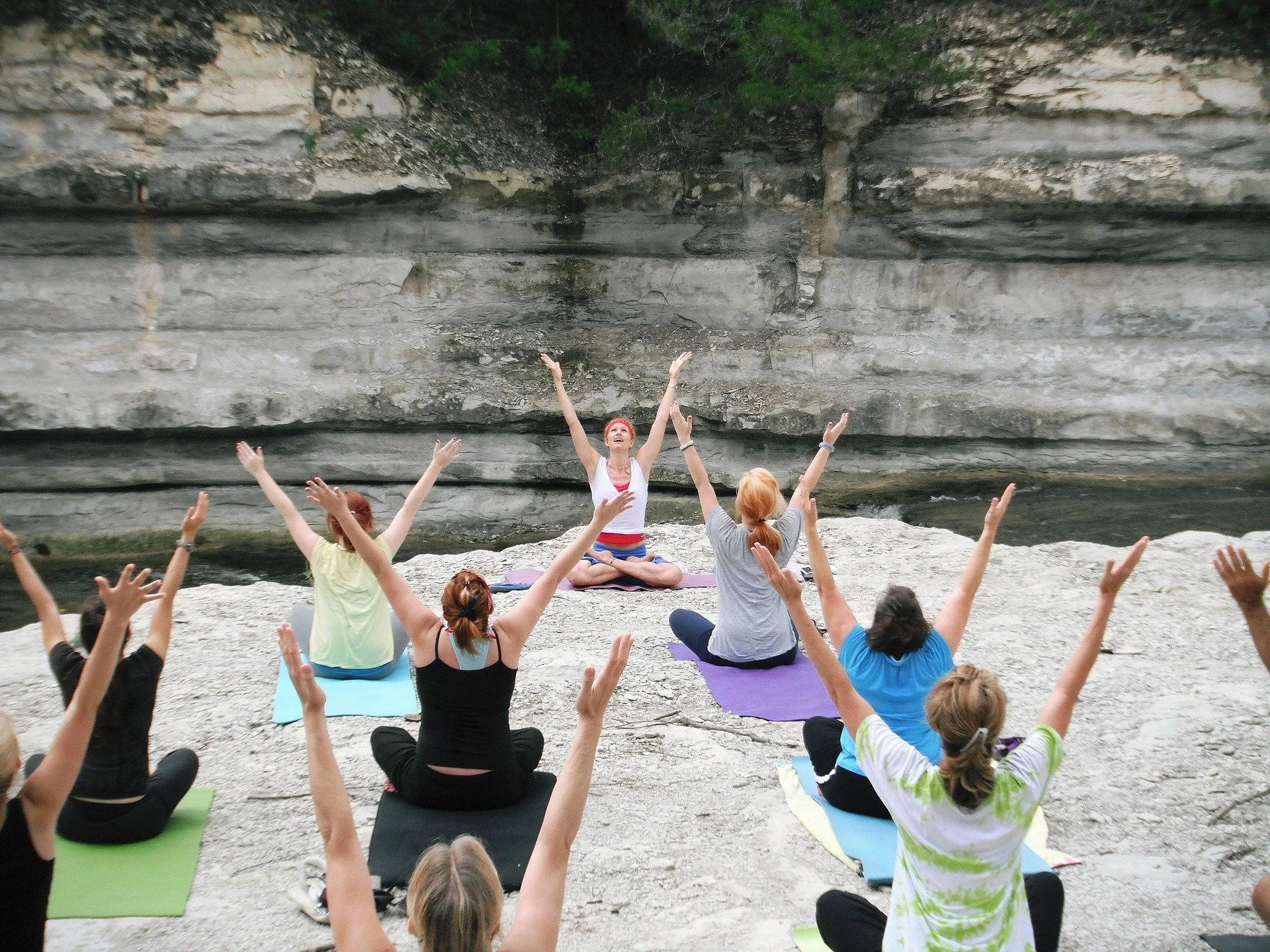
Movement is not optional biology — it is the operating system of the human body. Locomotion upgrades nearly every system you have: cells, muscles, veins, lymph, brain, bones, and even the subtle energy field that surrounds all of it. When you move, you’re not simply “burning calories.” You’re activating the deepest layers of your physiology and your consciousness.
Let’s explore how physical energy works, why locomotion is sacred, and how movement becomes both medicine and mysticism.
How Movement Feeds Your Cells, Organs, and Systems
Cells: building more energy factories
Movement triggers mitochondrial biogenesis, meaning your cells literally build more mitochondria — the organelles responsible for ATP production. Research shows that physical activity enhances mitochondrial remodeling and improves energy efficiency across the lifespan (Cell Reports Medicine, 2025). More mitochondria means more capacity to produce ATP, regulate oxidative stress, and maintain metabolic resilience as you age (Sports Medicine & Health Science, 2026).
Muscles: your endocrine and energy organ
Muscles are not just mechanical tissue — they are endocrine organs. During movement, muscles release myokines, signaling molecules that communicate with the brain, liver, heart, and immune system. Exercise‑induced mitochondrial remodeling improves muscle signaling and metabolic health, especially during aging (ScienceDirect, 2026).
Veins, arteries, and lymph: circulation as cleansing
Movement increases blood flow and creates shear stress on vessel walls, stimulating nitric oxide production — a molecule that relaxes and widens blood vessels, improving circulation and cardiovascular resilience. Your lymphatic system, which has no pump of its own, relies entirely on muscular contraction to move lymph, clear waste, and support immune function (Cell Reports Medicine, 2025).
Brain: movement as neurochemistry and protection
Physical activity increases oxygen and glucose delivery to the brain and boosts BDNF (brain‑derived neurotrophic factor), a molecule essential for synaptic plasticity and neuronal protection. Exercise enhances mitochondrial function in neurons, improving cognitive resilience and emotional regulation (Sports Medicine & Health Science, 2026).
Bones: load as longevity
Weight‑bearing movement sends mechanical signals into bone tissue, stimulating remodeling and density. Without load, bones weaken. With load, they adapt — a process supported by mitochondrial remodeling during aging (ScienceDirect, 2026).
Physical energy isn’t abstract — it’s the felt experience of all these systems working together.
Locomotion Across the Lifespan
Children: movement as wiring
Children learn the world through motion — crawling, climbing, running, falling, and getting back up. Locomotion wires coordination, balance, spatial awareness, and emotional regulation. Sedentary childhoods disrupt nervous system development and mitochondrial growth (Cell Reports Medicine, 2025).
Teenagers: movement as identity
Sports, dance, martial arts, and physical exploration help teenagers process emotion, build confidence, and strengthen metabolic and skeletal systems. Movement during adolescence supports long‑term mitochondrial health (Sports Medicine & Health Science, 2026).
Adults: movement as maintenance and repair
Adulthood often becomes the era of sitting — desks, cars, couches. But this is when movement matters most. Locomotion stabilizes blood sugar, regulates stress hormones, maintains muscle mass, and protects the heart and brain. Exercise‑induced mitochondrial remodeling is essential for preventing age‑related decline (ScienceDirect, 2026).
Older age: movement as longevity
In older age, locomotion becomes the difference between independence and decline. Walking, gentle strength training, tai chi, qi gong, and gardening preserve balance, prevent falls, maintain cognition, and keep lymph moving. Mitochondrial remodeling during aging is directly supported by consistent movement (ScienceDirect, 2026).
Forms of Movement That Build Life Energy
Weight lifting
Builds muscle, bone density, and metabolic resilience. It teaches the body to handle load — essential for aging well.
Gardening and physical work
Natural, irregular movement — bending, lifting, reaching — plus sunlight, grounding, and contact with soil. Functional locomotion with emotional benefits.
Sports and joyful play
Games, dancing, hiking, swimming — anything that feels like play. Joy amplifies the energetic effect of movement.
Tai chi and qi gong
These practices treat movement as energy choreography — slow, intentional motions that guide breath, focus, and subtle energy through the body’s field. They sit at the intersection of nervous system regulation, balance training, and mystic energy work.
Mystic movement: learning to move energy in your space
When you become aware of your own energy field — how your body feels in different rooms, around different people, in different postures — movement becomes a way to clear, charge, and direct energy. Stretching, shaking, breath‑led motion, and intentional walking become rituals of energetic hygiene.
Why Sedentary Living Hurts the Body
Being sedentary isn’t just “not exercising.” It’s sending a constant signal to your biology that nothing needs to adapt.
Muscles atrophy and stop sending beneficial signals.
Blood vessels lose flexibility.
Mitochondria decline in number and efficiency (Cell Reports Medicine, 2025).
Lymph stagnates, slowing waste clearance.
Brain chemistry shifts toward lower mood and faster cognitive aging (Sports Medicine & Health Science, 2026).
Laziness isn’t a moral failing — it’s an energetic mismatch. Your body was designed for locomotion, and when it doesn’t get it, systems quietly down‑regulate.
Energy and Locomotion: One and the Same
On the biological level, movement:
uses energy (ATP)
creates more capacity for energy (mitochondria)
reorganizes systems (vessels, nerves, hormones)
On the subtle level, movement:
shifts emotional states
clears stagnant energy
opens space for new patterns
changes the “frequency” of your field
From a quantum‑inspired perspective, you can think of your body as a moving field of information. Locomotion changes how that field interacts with the environment — how you exchange energy, receive signals, and emit presence.
Movement is where biology and mysticism shake hands.
References
Cell Reports Medicine. (2025). Impact of physical activity on mitochondrial energetics across the adult lifespan. ScienceDirect. (2026). Exercise‑induced mitochondrial remodeling during aging. Sports Medicine & Health Science. (2026). Exercise and neuronal mitochondria: synaptic plasticity and energy regulation.